
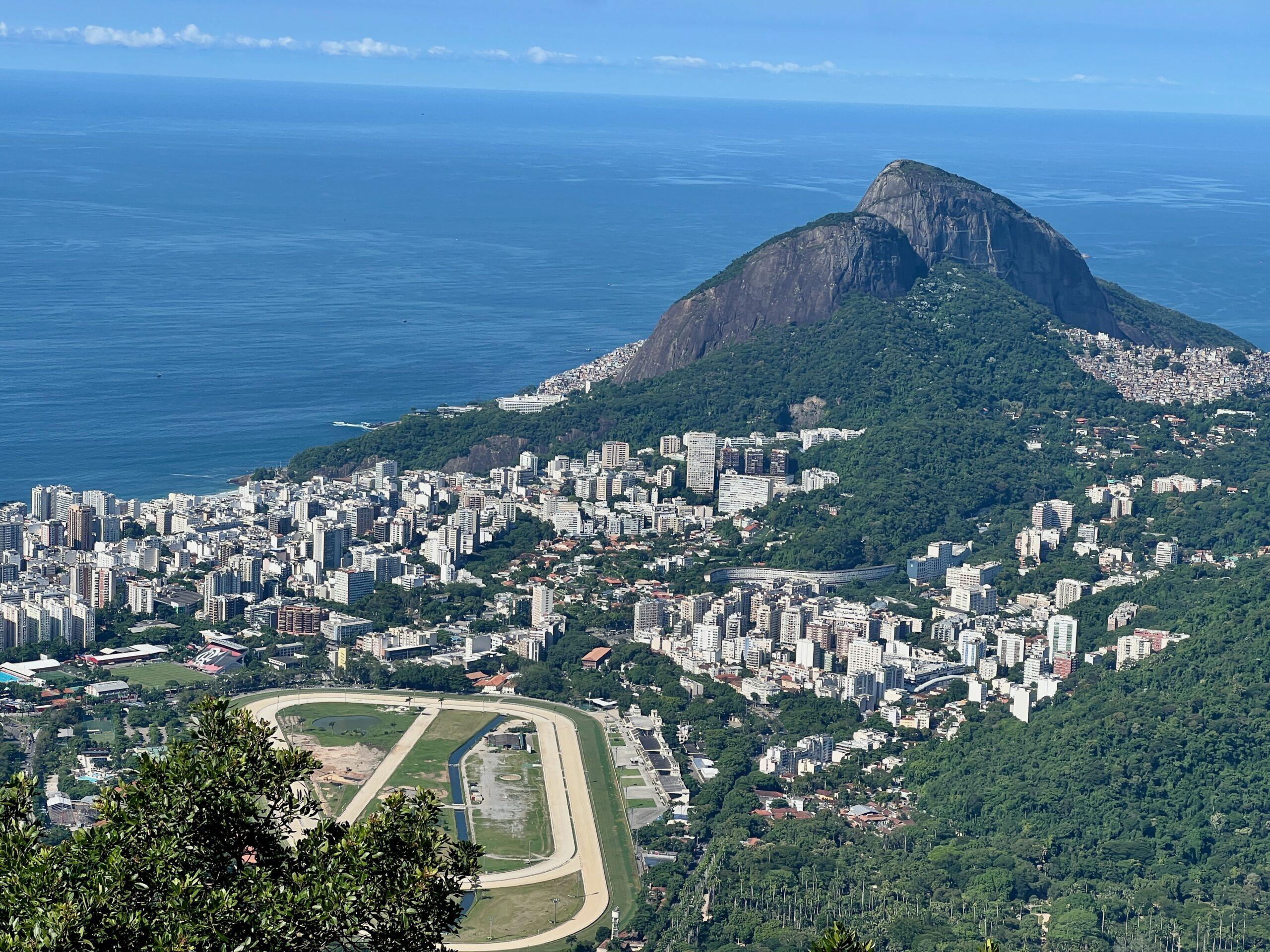
Brazil wasn’t on my 2026 travel list, but a friend invited me to Rio after she was laid off from her job. I immediately used up all of my American Airlines miles, and a month later I was writing in my journal that I’d consider living there. This Brazil travel guide covers what you need to know before visiting, with honest details from my own trip.
I arrived scared because of how the media talks about this country and about Rio de Janeiro. I left with a completely different understanding. I’ve only explored Rio de Janeiro so far, but I’ll keep adding to this page as I see more of Brazil in future trips.
Disclosure: This article contains referral links to various services. If you click on these links and make a purchase, I may earn a commission or earn points or miles at no additional cost to you. These referral links help support the maintenance of this site and the creation of content. I only recommend products or services that I genuinely believe will be of value to my readers. Your support through these links is greatly appreciated.
For more information on the privacy policy, please make sure to click HERE.
Basic Geography
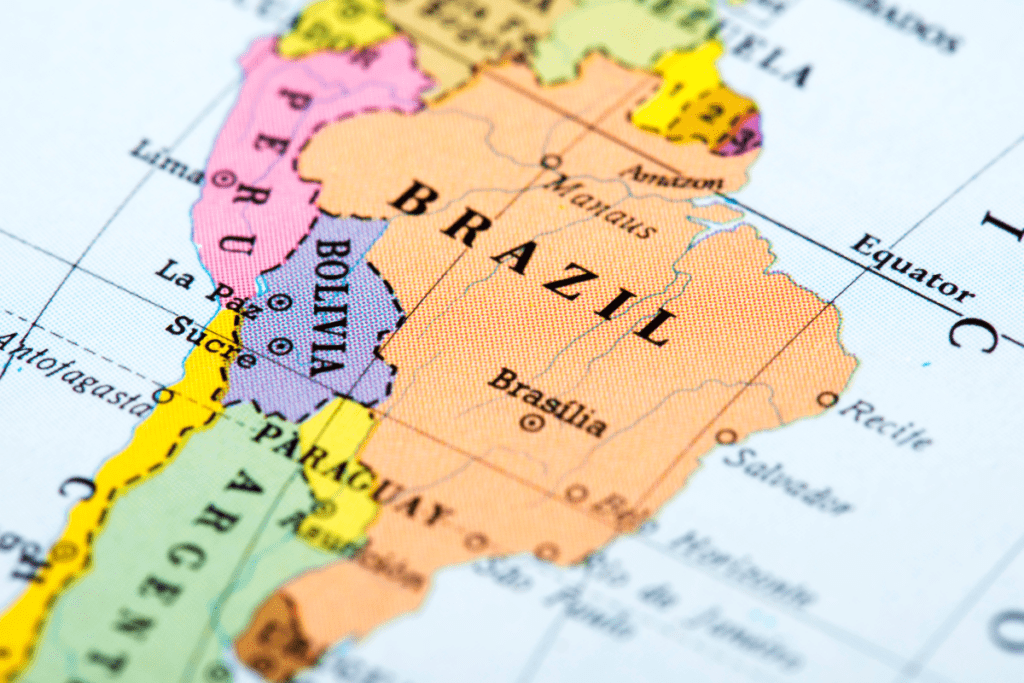
Brazil is the largest country in South America and the fifth-largest in the world, covering over 8.5 million square kilometers (3.2M square miles). It’s the only Portuguese – speaking country in the Americas, and it shares a border with every South American nation except Chile and Ecuador.
The country is divided into five regions, each with its own personality:
The North: Home to the Amazon Rainforest, which covers about 60% of Brazil. The states of Amazonas and Pará are the gateways. This region is sparsely populated outside of Manaus and Belém, and it’s where you’ll find Indigenous communities, river towns, and one of the most biodiverse ecosystems on the planet.
The Northeast: States like Bahia, Pernambuco, and Ceará. This region is known for its Afro-Brazilian culture, stunning coastlines, and cities like Salvador and Recife. If you want to understand the African roots of Brazilian culture, the Northeast is essential.
The Southeast: Rio de Janeiro, São Paulo, Minas Gerais, and Espírito Santo. This is Brazil’s cultural and economic engine. Rio and São Paulo are global cities with completely different energy — Rio is laid-back and coastal, São Paulo is a sprawling metropolis that never stops.
The South: Paraná, Santa Catarina, and Rio Grande do Sul. European immigration (German, Italian, Polish) shaped this region. It’s home to Iguazu Falls — one of the most spectacular waterfalls in the world — and a cooler climate than the rest of the country.
The Central-West: Home to Brasília (the planned capital), the Pantanal wetlands, and Goiás. The Pantanal is the world’s largest tropical wetland and one of the best places to spot wildlife in all of South America.
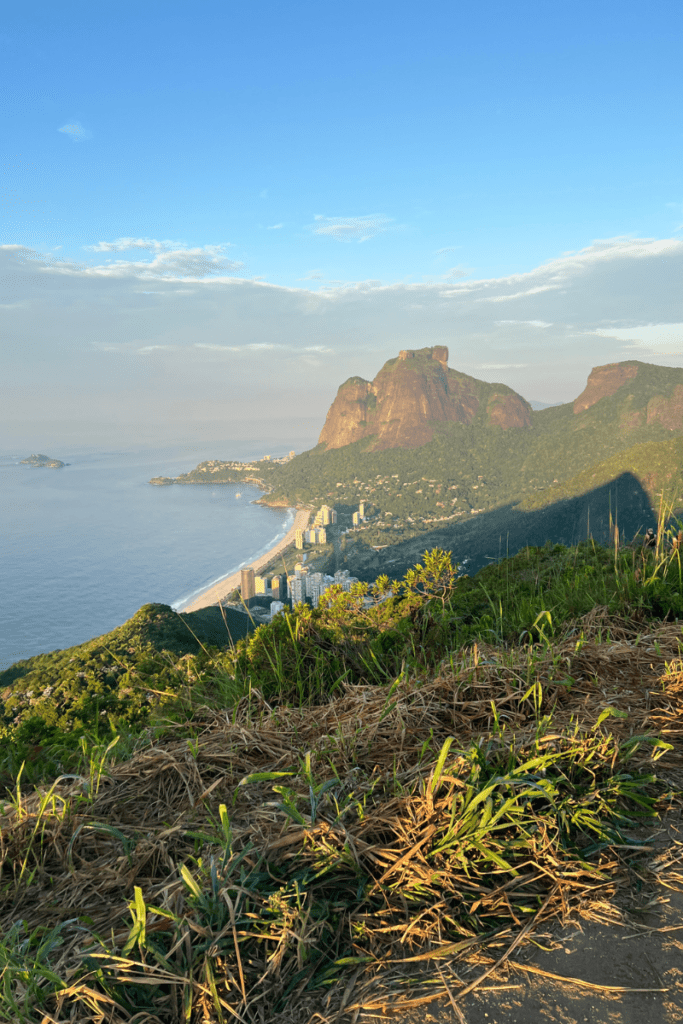
Things To Know At A Glance
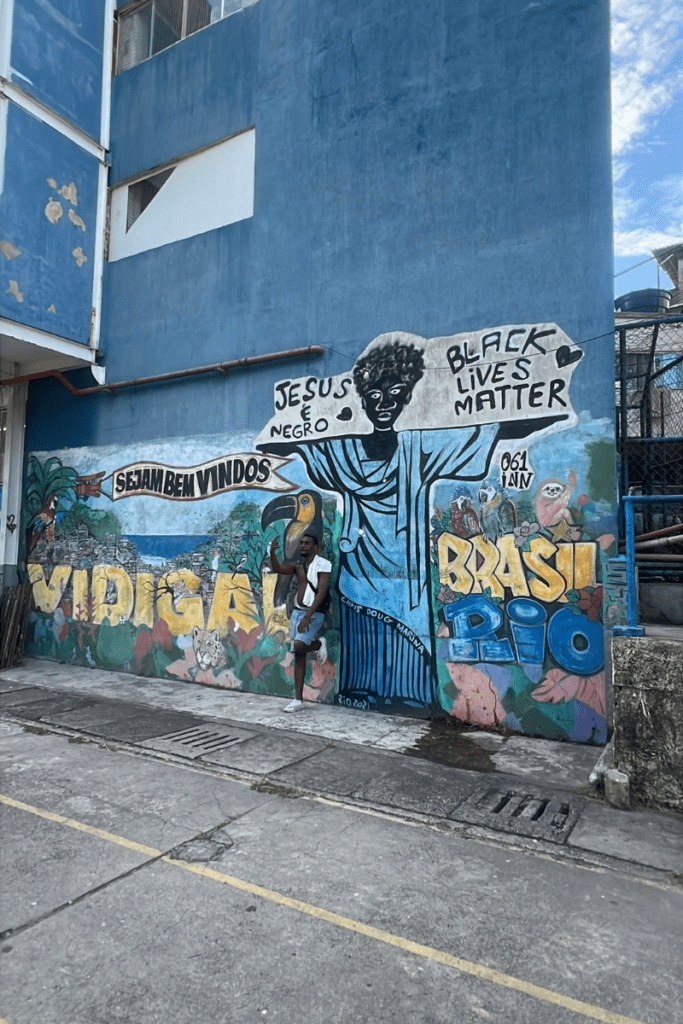
As of early 2026, the exchange rate is approximately R$5.15 BRL for every $1 USD. This means your dollar goes relatively far in Brazil. A caipirinha in Lapa cost me less than $3 USD. A full meal at a local restaurant was under $10.
Money and payments
Brazil is one of the most cashless countries in Latin America. The dominant payment method isn’t credit cards.
It’s Pix, an instant payment system created by the Central Bank in 2020. Over 93% of the population uses it. You’ll see Pix QR codes at nearly every register, food stall, and beach vendor.
For tourists, here’s what actually works:
Pix: Normally requires a Brazilian tax ID (CPF) and bank account, which tourists don’t have. Apps like WanderWallet and Wallbit are among the options that let foreigners use Pix without either.
I’m not endorsing any specific app, but it’s worth researching before your trip. Merchants often give a 10% discount for Pix payments because they avoid credit card processing fees.
Credit and debit cards:
Visa and Mastercard work almost everywhere in cities. My Amex was accepted at more places than I expected. Apple Pay and Google Pay work widely. Keep in mind that foreign card transactions carry a 4.38% IOF tax, so Pix or cash can save you money.
Cash:
Brazil has moved heavily away from cash. In 2019, 43% of the population used it. By 2024, that number dropped to 6%. Still, carrying R$100-200 is smart for markets where you might get a discount for paying cash or buying in volume, and as backup if your phone dies.
I used a combination of cash and credit cards and Apple Pay on my trip and didn’t experience any issues. I have travel credit cards (for which I pay annual fees) so the 3% rate that is charged by cards’ banks is waived.
Portuguese. Not Spanish. This is the number one thing people that don’t spend some time researching Brazil get wrong.
I speak Spanish and it helped more than I expected. Brazilians and Spanish speakers can sometimes understand each other with some effort, especially in writing. But they’re different languages with different sounds and many different words.
Learn the basics before you go:
- Obrigada (if you’re a woman) Thank you
- Obrigado (if you’re a man) Thank you
- Por favor: Please
- Com licença: Excuse me
- Bom dia / Boa tarde / Boa noite: Good morning / afternoon / evening
- Quanto custa? How much?
- Tudo bem? How are you? / Everything good?
I had moments where I spoke every single language I know because my brain couldn’t decide which was appropriate.
As of April 10, 2025, the e-Visa requirement for U.S., Canadian, and Australian citizens was officially reinstated. This replaced the visa-free entry that had been in place since 2019.
What you need to know:
- Official Portal: Apply online through the official VFS Global portal at brazil.vfsevisa.com.
- Actual Cost: The total fee is $80.90 USD (which includes the $69.00 visa fee plus a $11.90 service fee).
- Approval Timeline: Official processing is 5 business days, but many receive it within 24–72 hours. Still, apply at least two weeks before your flight to be safe.
- Validity: For U.S. citizens, the visa is valid for 10 years. You can stay for up to 90 days per year, with the option to extend your stay while in Brazil (not to exceed 180 days total in a 12-month period).
- Passport Validity: Your passport must be valid for at least six months from the date of your arrival in Brazil.
- Required Documents: You will need to upload a passport scan (biographical page), a digital passport-style photo(white background, no glasses), and proof of travel (flight confirmation or itinerary).
- Proof of Funds: You must provide a bank statement or pay stub showing at least $2,000 USD in available funds.
Pro-Tip from My Trip
I received my visa in less than 24 hours, but I’ve seen many others face delays of 3 weeks or more. The #1 reason for a decline is the photo upload. Make sure your photo is a clear, high-resolution file that meets the exact sizing requirements on the portal.
To review your specific country of origin’s entry requirements, click the Official Brazil Government Entry Requirements.
I never travel internationally without travel insurance because there are so many things that can happen. Make sure to use this comparison tool to find a travel insurance policy that works for you.
Brazil uses Type N outlets with three round pins. Your U.S. plugs will not fit without an adapter.
The standard voltage varies by region. Rio uses 127V, which is close to U.S. voltage. Most phone chargers and laptops handle this fine, but check your hair tools before plugging them in. A voltage converter may be necessary.
Pack a universal travel adapter with surge protection.
190: Police
192: Ambulance
193: Fire
Save these before you land.
I didn’t buy a local SIM or eSIM. I have T-Mobile, which includes 5GB of international data at no extra charge and then toggles (slower speeds) and voice at $0.25 per minute / texts at no additional fee. It was enough to use Google Maps, Uber and some other basic applications for the days I spent there. .
If your carrier doesn’t include international data, look into an eSIM before you fly. Buying a local SIM at the airport is also an option but might require more setup.
Most restaurants add a 10% service charge to the bill automatically. It’s technically optional but customary to pay it. You don’t need to tip beyond that unless the service was exceptional.
Hotel bellhops: R$5-10 per bag.
Tour guides: 10-15% of the tour cost.
Taxis and rideshare: not expected, but rounding up is appreciated.
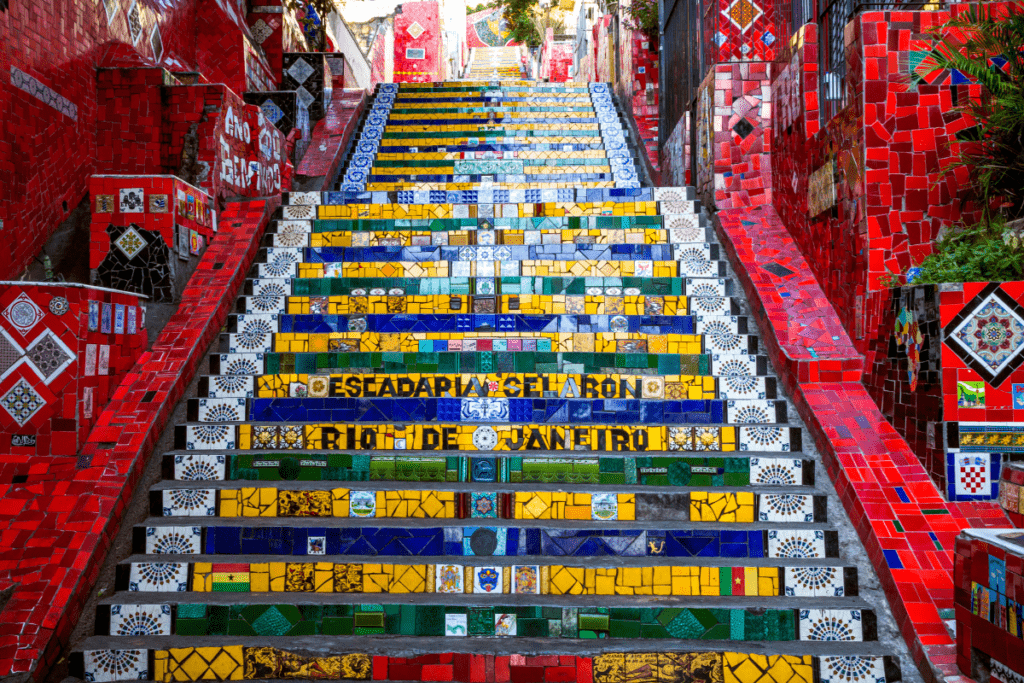
Why Brazil Should Be on Your Travel List
I went to Brazil carrying the kind of fear many travelers carry before their first trip there. I came home thinking about Rio constantly. That is the short version.
The longer version is that Brazil gets flattened by lazy headlines and oversimplified travel warnings, and that does the country a disservice.
Yes, you should travel smart.
Yes, you should stay aware.
But if fear is the only thing shaping your view of Brazil, you are missing a place with serious depth, beauty, and cultural power.
Brazil is a country that knows how to leave an impression. The culture runs deep. The food has history in every bite. The people can be incredibly warm.
The landscapes hit you all at once. One minute you are looking at mountains that seem to be crashing into the ocean. The next you are listening to music that carries African, Indigenous, and European influences all at once.
There is an intensity to Brazil that makes you feel alive.
If you care to learn about Afro-diaspora history, music, and food, Brazil is not some optional trip you get to “one day.” It deserves a real place on your list.
This is a country where African influence is central to the culture, the rhythm, the religion, the cuisine, and the identity of the nation. You feel that in the music. You see it in the food. You notice it in the neighborhoods, the language, the art, and the way culture is lived out loud.
The Food
Brazilian food is its own world. Forget what you think you know from Brazilian steakhouses in the U.S. That version tells a very incomplete story. Yes, you will find steakhouses. Yes, grilled meat matters here. But traditional Brazilian food has far more range, soul, and history than many visitors expect.
This is food shaped by Indigenous roots, African influence, Portuguese colonization, and regional ingredients that change the experience depending on where you are. It is hearty in some places, seafood-heavy in others, and often tied to local identity.
You can taste comfort here. You can taste survival here. You can taste migration, resistance, celebration, and resourcefulness here.
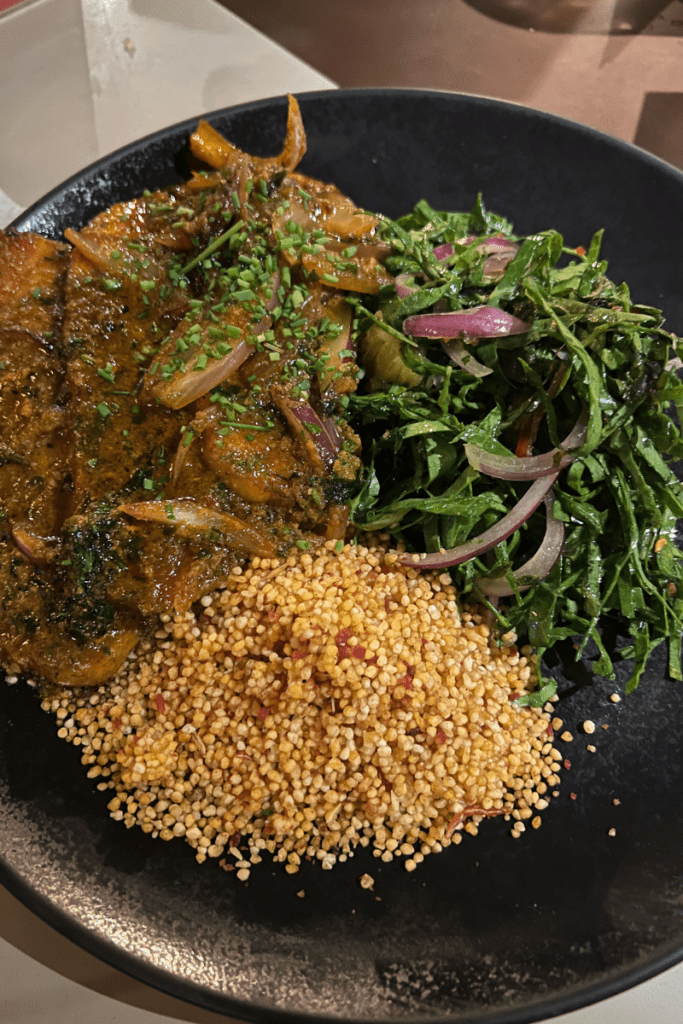
One of the things I appreciated most was how much flavor showed up in everyday meals. Rice, beans, farofa, grilled meats, fried snacks, seafood stews, fresh juices, and desserts that make you pause. Nothing felt flat.
Even simple food had presence on many of the menus at restaurants I visited.
And then there are the details that make Brazil even more fun to eat through. The beach snacks, the fresh fruit juices, the salgados, the way casual meals feel satisfying. Food in Brazil is part of how you understand the country.
The culture
Brazil’s identity is layered. Indigenous roots. Portuguese colonial history. The largest African diaspora outside of Africa. All of it shows up in the music, the food, the neighborhoods, and the way people carry themselves.
As a Colombian-American woman, I felt a connection I didn’t expect. The Afro-Brazilian rhythms, the street culture, the way people gather feels so familiar to me.
Brazil is also one of those places where pleasure is taken seriously. Food Matters. Music matters. Beauty matters. Sitting somewhere with a view matters. A cold drink on a hot day matters. That is part of why Brazil stayed with me. So many small pleasures that we take for granted are celebrated in Brazil.
Brazil is beautiful, yes. But plenty of places are beautiful.
Brazil has beauty with rhythm. Beauty with flavor. Beauty with history. Beauty with edge.
Brazil entices you to pay attention to all the details.
Travel Tips
Best Time To Visit Brazil
Brazil is a huge country, so the answer depends on where you’re going.
December to March: Brazilian summer. Hot and humid in Rio. Peak season. Carnival falls in February or March. Expect large crowds and higher prices. I was in Rio late February into early March and the weather was warm and humid. We had some gorgeous days and a bit of rain too. Expect more rain as you head into the latter part of Marh and April.
April to June: Shoulder season. Temperatures ease up, crowds thin out, prices drop.
July to September: Brazilian winter. Still pleasant in Rio. Dry season in the Amazon and Pantanal, which makes it the best time for wildlife.
October to November: Spring. Warm, fewer tourists, good prices. A solid window for most destinations.
Safety Tips for Women Traveling Solo
Brazil gets a bad reputation for safety. I’m not going to pretend there aren’t reasons why the reputation has been built. But I felt safer in Rio than I expected, and the fear I carried before the trip was worse than the reality once I was there.
Practical tips from my experience:
- Use rideshare apps (99 or Uber) instead of hailing taxis, especially at night.
- Keep your phone in your bag when walking. Don’t have it out on the street.
- If you do need to have your phone out of your pocket, bag or in your hand, use a lanyard.
- There is a women’s only metro car during peak hours. Use it.
- Stay in well-traveled neighborhoods: Ipanema, Copacabana, Leblon, Botafogo, Flamengo
- Download offline maps before you arrive
- Trust your instincts. This applies everywhere, not just Brazil
- Tell someone back home your daily plans. Share your itinerary with a friend or family member.
Brazilian Destinations I’ve Explored
As I continue to explore Brazil, I’ll be adding detailed guides for each destination. Here’s what I’ve covered so far:
Rio de Janeiro
Rio caught me off guard. I arrived a bit scared because of how the media portrays it. I left days later wanting to go back for a longer period of time. The city is stunning. Mountains drop into the ocean. Every neighborhood has a different personality. And the cultural depth goes far beyond Carnival and Christ the Redeemer.
My Rio de Janeiro City Guides:
Coming soon!!
Budgeting for Your Trip To Brazil
Brazil is more affordable than most people expect, especially with the current exchange rate.
Budget traveler:
- Accommodation: Hostels and budget hotels from R$80-150/night ($15-40)
- Meals: Local restaurants from R$25-45 ($5-9)
- Metro rides: R$7.50 ($1.50)
- Many free attractions: beaches, hiking trails, street markets
Mid-range traveler:
- Guided tours and activities: R$100-2000 ($20-300)
- Hotels: R$250-600/night ($50-200)
- Restaurants: R$60-150 per person ($12-60)
- Mix of metro and rideshare for transportation
Cultural Considerations
- Learn basic Portuguese. Brazilians appreciate the effort, even when your pronunciation is rough.
- Greetings are physical. Cheek kisses are standard, even with people you just met but this is in more intimate settings. Let them lead but still verbally greet people.
- Time is flexible. Social gatherings start later than posted. Tours start on time. Plan accordingly.
- Respect Afro-Brazilian culture. Capoeira, samba, candomblé, and the history of the African diaspora in Brazil are living culture. Approach with respect and curiosity.
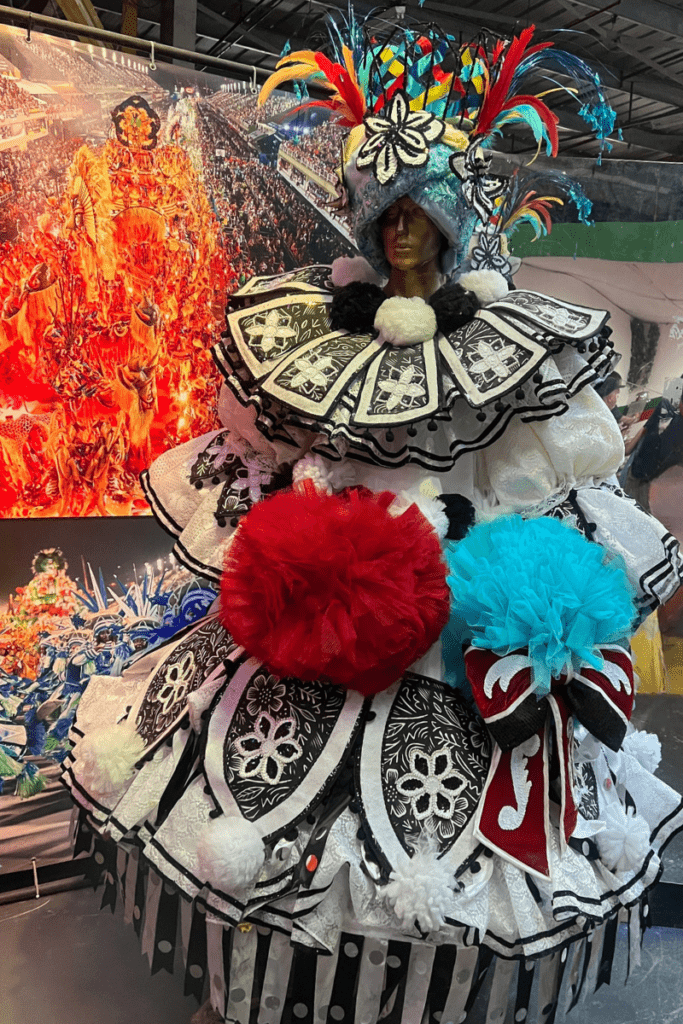
- Carnival is not all of Brazil. It’s a major part of the culture, but this country has 360 days of life beyond it.
Final Thoughts
Brazil surprised me in the most positive way. It challenged what I thought I knew, dissolved the fear I carried for years, and gave me stories I’ll be telling for a long time.
I went to one city and it was enough to know I’ll be back FOR SURE!! Not because I saw everything. Because something shifted in me while I was there.
If you’ve been putting Brazil off because you’re scared, I understand. I was too. Go anyway but do it safely!.
If you’ve been to Brazil, leave a comment and tell me about your experience. If you’re planning your first trip, let me know what questions you have. I’ll keep updating this Brazil travel guide as I explore more of the country in my future trips, because you better believe that I will take full advantage of that 90 day visa!
Resource List
Would you like to save this?
👑 Subscribe to the blog and newsletter for exclusive content about this destination and more.
👑 Never travel abroad (from the US) without travel insurance. To compare coverage and rates from many reputable insurers, use this tool.
👑 If this is your first time considering solo travel, you might find my Guide to Solo Travel helpful. It covers everything from picking your first destination and even Travel Hacking 101.
👑 For currency conversions, use XE. This tool is extremely easy to use.
👑 Brazil e-Visa application: brazil.vfsevisa.com.



 ES
ES